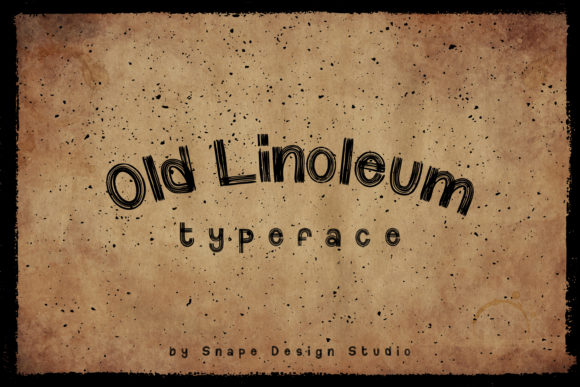
Old Linoleum Font for Web Design
Old Linoleum is a vintage display font that brings a handcrafted, chalky aesthetic to digital projects. Its unique texture and retro charm make it ideal for web designers looking to add character to headers, logos, and creative content without sacrificing readability.
As a freebie in the Fonts category, Old Linoleum offers a versatile typeface that works well in both modern and nostalgic design contexts. Its subtle imperfections and organic feel give it a warm, approachable personality that can enhance brand tone and visual storytelling across digital platforms.
Using Old Linoleum in Web Layouts
Old Linoleum excels as a display font for website headers, hero sections, and call-to-action buttons. Its bold strokes and uneven edges create visual interest while maintaining legibility at larger sizes. When used in headings, it adds a sense of authenticity and creativity that aligns with brand identity and user engagement goals.
In landing pages and product sales pages, Old Linoleum can be paired with clean, modern sans serif fonts to balance its decorative nature. This combination ensures that the message remains clear while still standing out visually. For example, using Old Linoleum for a headline and a simple serif font for body text creates a dynamic yet readable layout.
Old Linoleum for Brand Identity
Web designers and digital product creators often use Old Linoleum for branding elements like logos, social media graphics, and promotional banners. Its vintage style fits well with creative portfolios, boutique online stores, and coaching websites that aim to convey a personal, artisanal touch.
The font’s character makes it suitable for short phrases, such as taglines or product names, where clarity and impact are essential. It also works well in decorative accents, adding a layer of visual depth without overwhelming the overall design.
Readability and Responsive Design
When using Old Linoleum on mobile screens, it’s important to keep text sizes large enough to maintain readability. On small buttons or image overlays, consider simplifying the font weight or using it only for emphasis rather than body text. On dark backgrounds, the font’s contrast helps it stand out, while on light backgrounds, it retains a soft, inviting presence.
For responsive layouts, test how Old Linoleum scales across different screen sizes. Its irregularities may become more pronounced on smaller devices, so using it sparingly or adjusting spacing can help maintain a polished look.
Font Pairing and Digital Design
Pairing Old Linoleum with a complementary font enhances its effectiveness in web design. A clean sans serif font like Open Sans or Lato works well for body copy, creating a contrast that improves readability. For editorial designs, pairing it with a serif font like Georgia or Playfair Display can evoke a more traditional, elegant feel.
When working with digital ads or content sections, use Old Linoleum to highlight key messages or create visual breaks. Its decorative nature makes it perfect for headlines, but avoid overusing it in long paragraphs, where it may hinder scanning behavior.
Practical Applications for Web Creators
Old Linoleum is particularly useful for creative portfolios, where it can be used in project titles or section headings to reflect a designer’s unique style. In online stores, it adds a handmade vibe to product banners or promotional text, making it ideal for niche brands or artisanal products.
For course sales pages or blog headers, Old Linoleum provides a strong visual anchor that draws attention while maintaining a professional appearance. Its versatility allows it to fit into a wide range of digital experiences, from SaaS landing pages to personal blogs.
Commercial Use and Licensing
Old Linoleum is available as a freebie, but users should check the licensing terms before using it for commercial projects. Ensure that the font is permitted for use on websites, client projects, online stores, and digital templates. Some free fonts may require attribution or have restrictions on redistribution.
When integrating Old Linoleum into a brand’s design system, verify that it supports the necessary file formats and includes all required weights or alternates. This ensures consistency across different platforms and maintains the font’s intended visual effect.
Old Linoleum for Digital Creativity
Old Linoleum’s appeal lies in its ability to blend nostalgia with modern design. Whether used in a creative portfolio, a boutique store, or a coaching website, it adds a distinct personality that resonates with audiences. Its simplicity and charm make it a valuable addition to any designer’s toolkit.
By focusing on usability, visual hierarchy, and brand tone, Old Linoleum helps create engaging digital experiences that stand out. Its role in web design extends beyond aesthetics, influencing how users interact with content and perceive a brand’s identity.